
Bed Bug Treatment in Youngstown, OH
Bed bug treatment in Youngstown, OH starts with proof. We confirm what you have, help you prepare the right way, treat with heat or conventional methods, and come back to check the results. Houses, apartments and rentals across Youngstown and nearby Mahoning County communities.
The longest an adult bed bug gets, about the size of an apple seed. Eggs are the size of a pinhead, so you rarely see them without a flashlight.
Source: EPAHow long bed bugs can live without a meal. Leaving a home empty for a few weeks will not starve them out.
Source: OSU ExtensionThe body temperature that kills a bed bug. Professional heat works by pushing every hiding spot past that point and holding it there.
Source: EPAHow a bed bug grows from egg to adult
A bed bug passes through 5 nymph stages before it becomes an adult. At room temperatures above 72°F, that takes about 37 days. Eggs hidden in seams can hatch after a treatment, which is why we plan follow-up visits from the start.
Those shed skins matter. They are one of the clearest signs of an active infestation, and they tell a technician that bugs are breeding, not just passing through on a suitcase.
Is it really bed bugs? Check what you have found
Bites alone do not prove bed bugs. People react differently, and fleas, mites and skin conditions can look the same. Physical evidence is what confirms it.
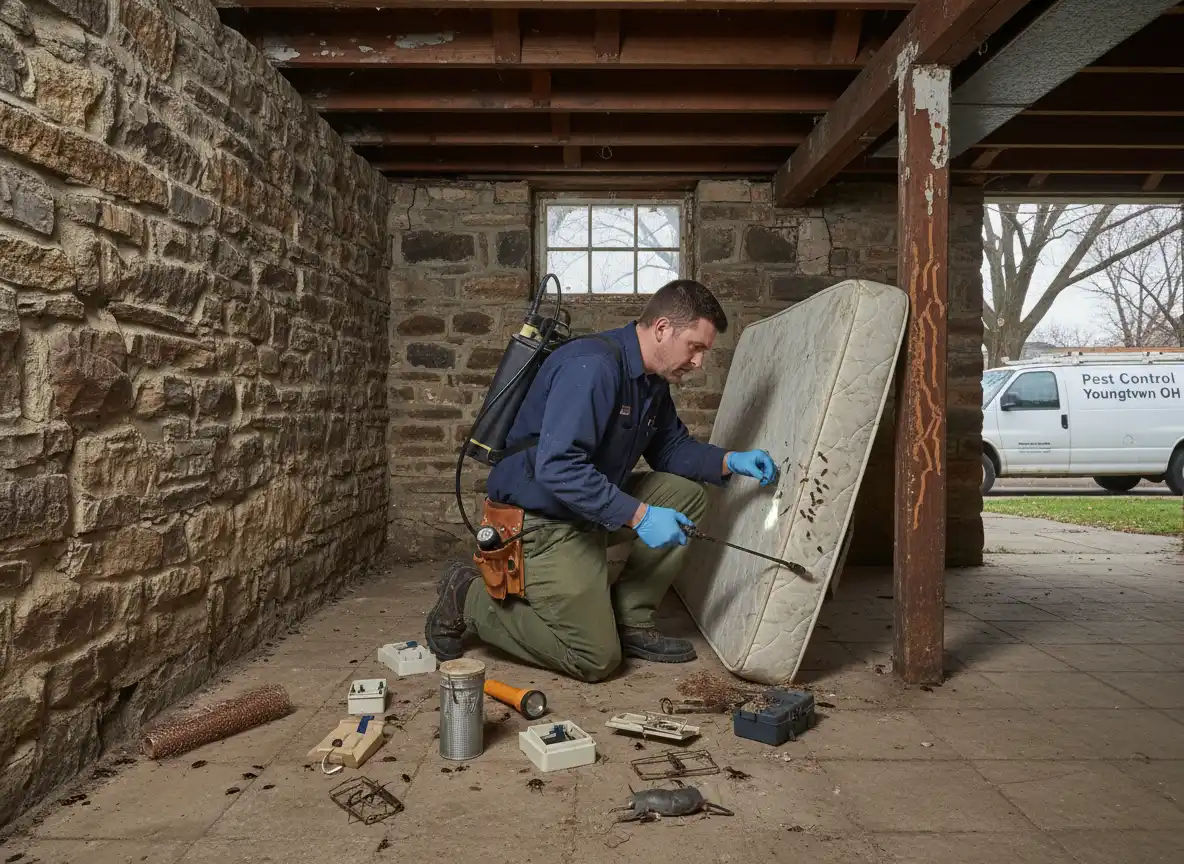
OSU Extension notes that bed bugs are most active between midnight and 5 a.m. and are drawn to breath and body heat. That is why the bed, couch or recliner where someone sleeps is almost always the center of the problem.
Getting your home ready for bed bug treatment
Good prep is the biggest thing you control. It opens up hiding spots so treatment reaches them, and it keeps bugs from riding into rooms that were clean. Your technician will give you a written list for your treatment type. This is the common core.
- Wash bedding and clothes from affected rooms, then tumble dry on high heat (130°F or more) for 30 minutes.
- Seal clean, dried items in clear plastic bags and keep them sealed until the technician says otherwise.
- Clear clutter off floors, under beds and out of closets so walls and baseboards are reachable.
- Vacuum mattresses, furniture, rugs and bed frames, then seal and toss the vacuum bag outside.
- Do not move furniture or boxes into other rooms or to a friend's house before treatment.
- Pull beds and couches a few inches from walls so all sides can be treated.
- Plan where kids and pets will stay, and keep them out of treated rooms as the technician directs.
- For heat: remove items that can melt or burst, such as candles, aerosol cans, medicines and some plants.
Skip store foggers and bug bombs. EPA advises against reaching for a spray can first, and foggers can scatter bed bugs into walls and nearby units. Do not throw out a mattress unless your technician says it is needed; mattress encasements kept on for a year trap bugs and make checks easier.
Heat treatment vs conventional treatment, explained plainly
Both methods can work when they are done well. Neither is right for every home. The choice depends on how far the bugs have spread, the building type, what is in the rooms and whether neighbors share walls.
Whole-room heat
- How it works
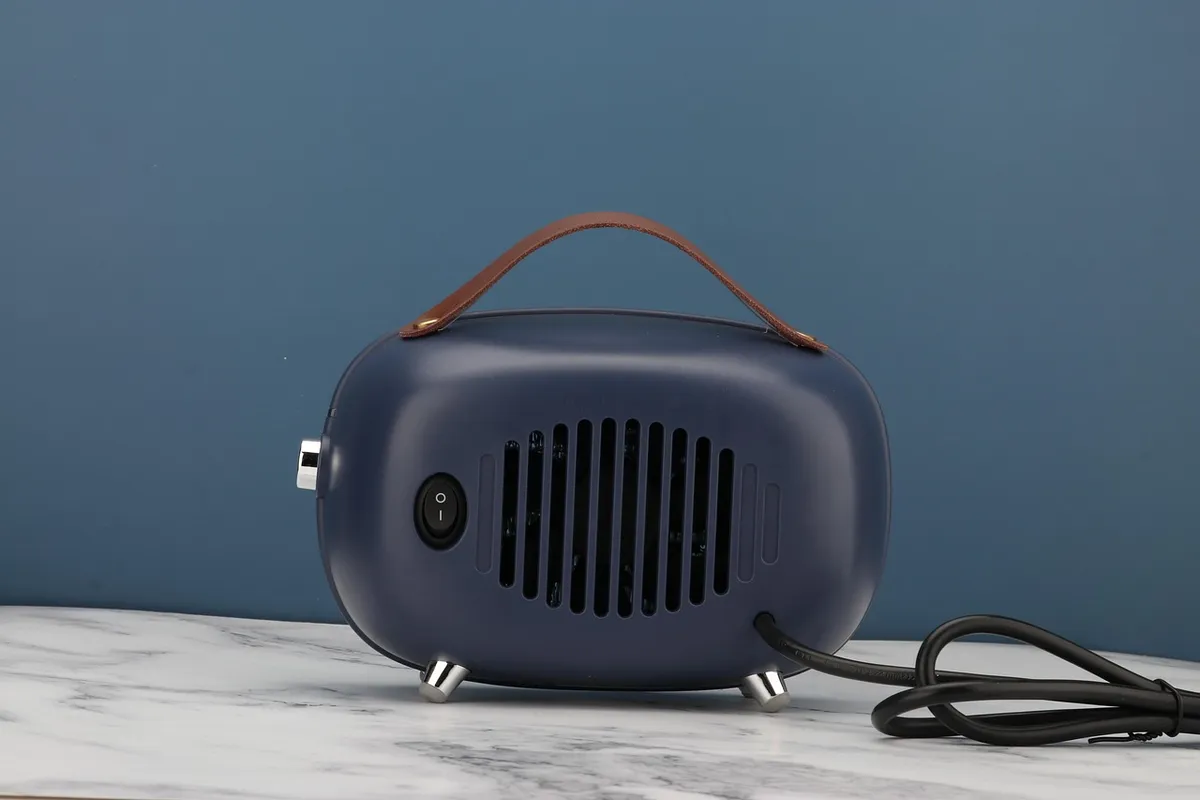
- Heaters and fans raise room temperatures high enough that heat soaks into furniture, seams and wall edges past the 113°F kill point. Temperature sensors placed in hard-to-heat spots confirm the heat got there.
- Where it fits
- Homes where bugs have spread to many items, and people who want to limit insecticide use indoors.
- Trade-offs
- Heat-sensitive items must come out. Once rooms cool, heat leaves nothing behind that keeps working, so plans often add monitors or a targeted product along edges.
- Your time
- Usually a full day out of the home on treatment day.
Conventional (insecticide) treatment
- How it works
- A licensed applicator treats cracks, crevices, seams, furniture joints and baseboards with labeled products, often several types that work in different ways.
- Where it fits
- Early or limited infestations, and some multi-unit buildings where units are treated in a planned order.
- Trade-offs
- Eggs are hard to reach, so it almost always needs 2 or more visits spaced weeks apart.
- Your time
- Shorter visits, but you stay out of treated rooms for the time the product label and technician require.
Many jobs combine the two. Heat clears the bulk of the bugs fast, and careful crack and crevice work plus interceptor cups under bed legs catch what is left. Every product is applied by an Ohio-licensed applicator following the label, because EPA law makes the label the legal rule for how a product is used.
From first inspection to final follow-up
Bed bug work is a short project, not a one-time spray. Here is how a typical job runs.
Confirm
We inspect beds, furniture, baseboards and outlets, and identify the insect. No treatment until bed bugs are confirmed.
Plan and prep
We map affected rooms, pick heat, conventional or both, and give you a written prep list.
Treat
A licensed technician treats every affected room plus nearby rooms where bugs often spread.
Follow-up visit
We return after a few weeks to inspect, check monitors and treat any newly hatched nymphs.
Final check
Another inspection confirms activity has stopped, with tips to avoid bringing bugs back.
Follow-up timing can change with your treatment type and what we find. The goal of each return visit is the same: catch the nymphs that hatch from eggs before they grow up and lay eggs of their own. Questions about your schedule? Call (888) 752-0103.
Bed bugs in Youngstown rentals: what Ohio law says for tenants and landlords
Ohio's landlord and tenant law is Ohio Revised Code Chapter 5321. It does not mention bed bugs by name, so it does not say outright who pays for treatment. It does set duties that matter when bed bugs show up.
Who pays in a specific case can depend on the lease and the facts. This is general information, not legal advice. For a dispute, contact a lawyer or a legal aid office. Read the current text on codes.ohio.gov.
For landlords and property managers, we can inspect units that share walls with an infested unit, which is where bed bugs spread most in apartments. See our commercial pest control page for multi-unit buildings.

Bed bug treatment questions from Youngstown residents
How do I know if I have bed bugs and not something else?
Look for physical signs: live bugs, pale shed skins, small dark spots on seams, or tiny white eggs. Bites alone are not proof because reactions vary and other pests cause similar marks. A professional inspection confirms it before any treatment.
Is heat or conventional treatment better for bed bugs?
Neither is best for every home. Heat suits homes where bugs have spread to many items and people who want less insecticide indoors. Conventional treatment suits smaller infestations and some apartment buildings, but needs 2 or more visits.
How many visits does bed bug treatment take?
Plan on more than one. Eggs can survive the first visit and hatch later, so most plans include at least 1 follow-up inspection a few weeks later, and sometimes more. The exact schedule depends on the method and what the technician finds.
Do I have to throw away my mattress?
Usually not. A mattress can often be treated and then sealed in a bed bug encasement, which EPA suggests keeping on for a year. If you do discard furniture, damage or mark it so no one else takes it home.
Who pays for bed bug treatment in an Ohio rental?
Ohio Revised Code Chapter 5321 does not name bed bugs, so it does not settle who pays. Landlords must keep units fit and habitable, and tenants must keep their unit sanitary and allow entry. The lease and the facts matter, so get legal advice for a dispute.
Can I stay home during bed bug treatment with kids and pets?
Not on heat treatment day, since rooms get very hot. After a conventional treatment, keep kids and pets out of treated areas for as long as the technician directs, based on the product label. Your prep list will spell this out.
Found a bug you think is a bed bug?
Save it on tape, keep sleeping where you sleep, and call. We serve Youngstown, Boardman, Austintown and nearby areas, and also handle cockroach control and residential pest control.
Pest Control Youngstown OH is a locally owned pest control company. Treatments are applied by Ohio-licensed applicators following the product label.
Sources
- OSU Extension, The Bed Bug Threat (ENT-0103)
- EPA, Bed Bugs: Appearance and Life Cycle
- EPA, Top 10 Tips to Prevent or Control Bed Bugs
- EPA, Introduction to Pesticide Labels
- Ohio Revised Code 5321.04, Landlord obligations
- Ohio Revised Code 5321.05, Tenant obligations
- Ohio Revised Code 5321.07, Tenant notice and remedies
- Ohio Revised Code 921.06, Commercial applicator license (Ohio Department of Agriculture)