
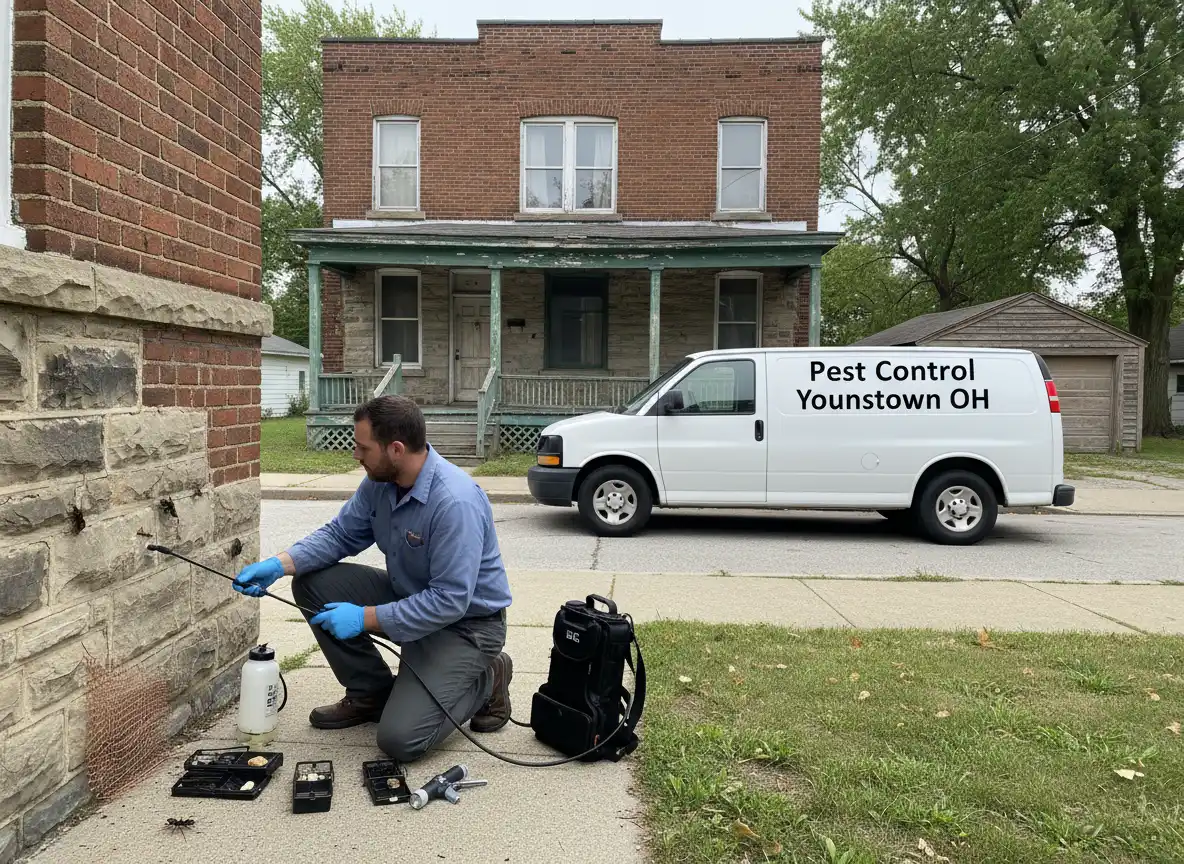
Commercial Pest Control in Youngstown, OH
Pest programs for restaurants, offices, warehouses, schools, churches and apartment buildings. Scheduled service, written records, and treatment that fits around your hours.
- Open 24/7
- Service logs
- Ohio-licensed applicators
Pest control built around how your business runs
Commercial pest control in Youngstown, OH is an ongoing program, not a one-time spray. A technician inspects your building on a set schedule, keeps monitoring devices in place, treats only where activity shows up, and leaves a written record after every visit.
That record matters. Health inspectors, property managers and corporate auditors want to see what was found, what was done and what the business needs to fix. We write reports in plain language so your manager can act on them the same week.
Treatments are applied by Ohio-licensed pesticide applicators following the product label. Ohio requires a commercial applicator license for pesticide work in restaurants, schools, food processing plants, medical facilities and apartment complexes with more than 4 units.
Key facts
- Ohio's food code requires food businesses to control pests through routine inspection, traps and removing harborage.
- Inside Youngstown city limits, food businesses are licensed and inspected by the city's Environmental Health Division.
- Elsewhere in Mahoning County, Mahoning County Public Health handles food licensing.
- We are open 24 hours, 7 days a week, so service can happen before opening or after close.
Which commercial program fits your property?
Every building type has its own pests, pressure points and paperwork. Use this table to see where we usually focus.
| Business type | Pests we watch most | Where we focus | Records you get |
|---|---|---|---|
| Restaurants, bars and food service | German cockroaches, mice, flies | Cook line, dish area, dry storage, floor drains, back door | Visit report, device map, product list for the health inspector |
| Offices and medical offices | Ants, mice, occasional invaders | Break rooms, trash areas, entry doors, ceiling voids | Visit report and follow-up notes for the property manager |
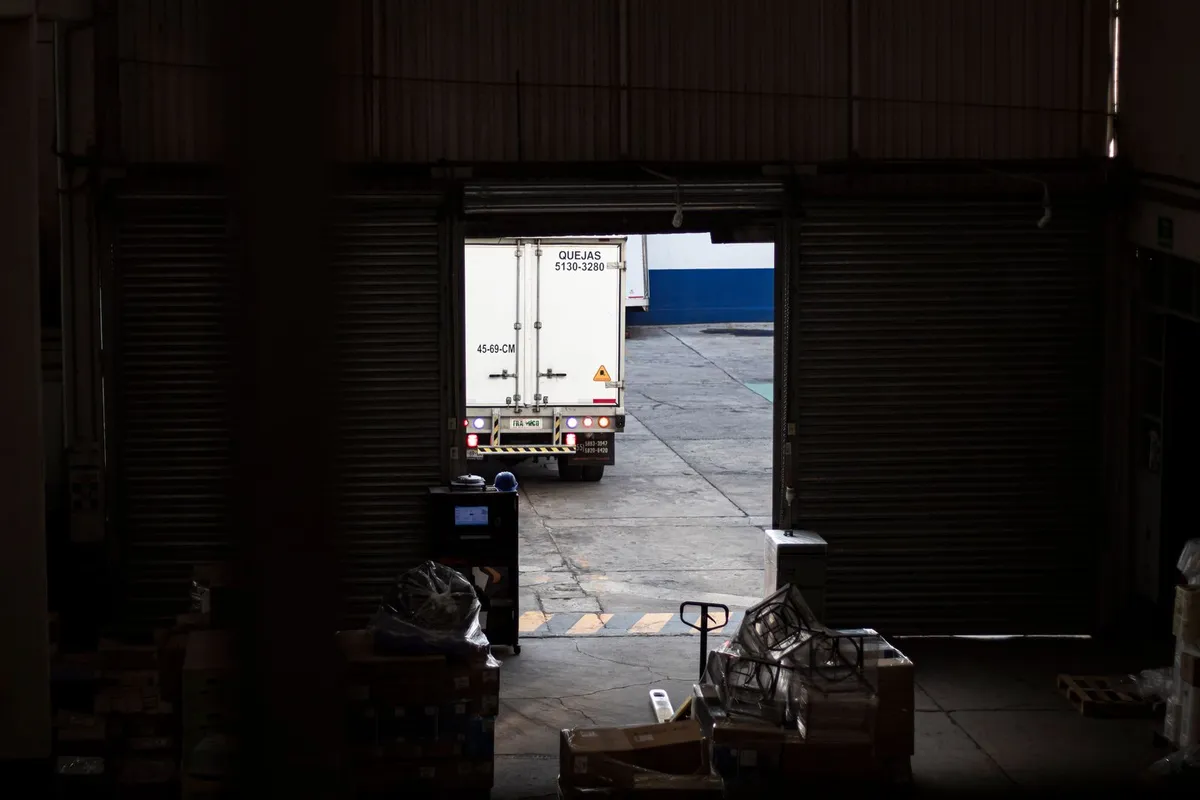
| Warehouses and industrial | Mice, rats, birds, stored product pests | Dock doors, exterior walls, pallet storage, racking | Numbered bait station map and activity counts for audits |
| Schools and churches | Mice, ants, stinging insects, cockroaches | Kitchens, classrooms, basements, playground edges | Visit report with treated areas and timing around people |
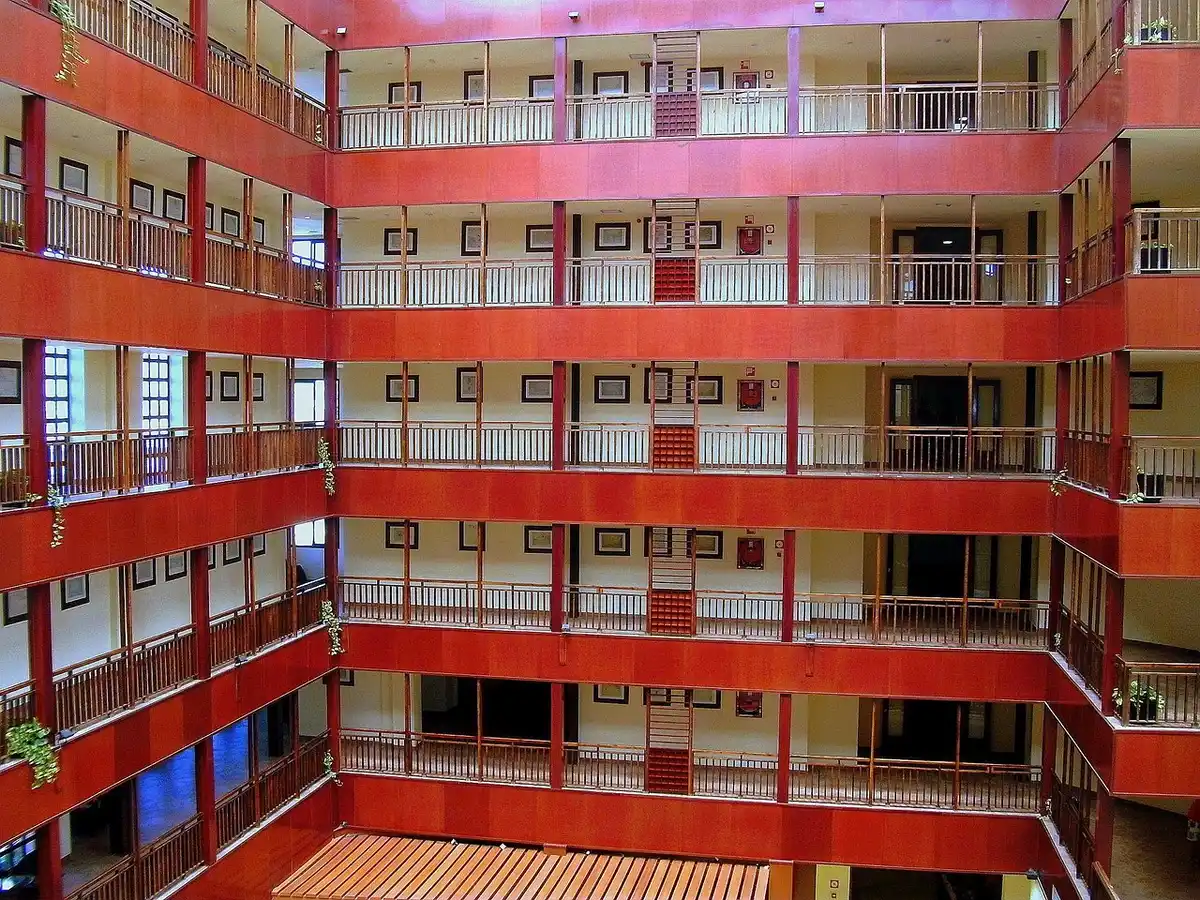
| Apartments and multi-unit buildings | Cockroaches, bed bugs, mice | Shared walls, trash rooms, laundry rooms, units next to a problem unit | Unit-by-unit notes and tenant prep sheets |

Food safety rules and health districts in the Youngstown area
We do not inspect for the health department, but we help you meet the pest parts of the rules they enforce.
Ohio Uniform Food Safety Code
Rule 3717-1-06.4 of the Ohio Administrative Code says the presence of insects, rodents and other pests is to be controlled through routine inspection, trapping devices or other pest control, and by removing harborage.
Source: Ohio Administrative Code 3717-1-06.4(K)Trapped pests must come out
The same rule says dead or trapped pests are to be removed from control devices and the premises often enough that they do not pile up, decompose or attract more pests. Regular service visits cover this.
Source: Ohio Administrative Code 3717-1-06.4(L)City of Youngstown
The Youngstown Health Department's Environmental Health Division inspects and licenses food vendors in the city, including mobile, vending and temporary vendors, and investigates complaints.
Source: City of Youngstown, Environmental HealthRest of Mahoning County
Mahoning County Public Health licenses food businesses everywhere in the county except the city of Youngstown. That includes places like Boardman, Austintown, Poland and Struthers.
Source: Mahoning County Public Health, Food SafetyInspections follow risk level
Mahoning County Public Health sorts food businesses into 4 risk levels. Lower-risk shops get 1 routine inspection a year, and complex kitchens like full-service restaurants get 2 plus extra reviews.
Source: Mahoning County Public Health, Food SafetyLicensed work is required
OSU Extension lists restaurants, schools, food processing plants, medical facilities and apartment complexes over 4 units as places where pesticide application needs a commercial applicator license.
Source: OSU Extension ANR-0140Our commercial pest control process for Youngstown, OH businesses
Site walk and risk review
We walk the building with your manager, inside and out, and note entry points, moisture, sanitation issues and areas where pests can hide.
Device map
We place numbered bait stations outside, traps and monitors inside, and draw them on a floor plan you keep on file.
Targeted treatment
Where monitors show activity, we use the lowest-risk option that works: sealing, baits, or crack and crevice treatment, following the label and your schedule.
Report after every visit
You get a written report with device counts, findings, products used and fixes for your staff, such as a worn door sweep or a leaking drain.
Review and adjust
We compare counts visit to visit. If activity rises in one zone, we change the plan there instead of treating the whole building.

The EPA's IPM approach starts with an action threshold: seeing 1 pest does not always mean treating. Monitoring tells us when and where treatment is actually needed.
What a monitoring layout looks like in a small restaurant
This sample floor plan shows where devices usually go. Every building gets its own map after the site walk.
What staff should report, and how fast to call
Train your team to log these signs. The tag shows how urgent each one usually is.
| What staff see | What it may mean | Action |
|---|---|---|
| A single ant or spider in an office | An outdoor pest wandered in | Monitor |
| Flies around a floor drain | Organic buildup in the drain where flies breed | Call soon |
| Gnawed packaging in dry storage | Rodents are feeding inside | Call soon |
| Small brown roaches near the dish machine | German cockroaches are breeding in warm, wet spots | Call today |
| Mouse droppings on a prep surface or shelf | Active rodents in a food area | Call today |
| A tenant reports bites and small blood spots on sheets | Possible bed bugs that can spread to nearby units | Call today |
How commercial service differs from a home visit
Commercial program
- Schedule
- Set visits, often monthly or more for food businesses, timed before opening or after close.
- Devices
- Numbered stations and monitors on a floor plan, checked and logged every visit.
- Records
- Written reports, product lists and fix lists ready for inspectors and auditors.
- Who is involved
- Owners, managers, staff and sometimes landlords or other tenants.
Residential service
- Schedule
- One-time visits or seasonal plans built around when pests show up at home.
- Devices
- Traps and bait stations only where needed, placed away from kids and pets.
- Records
- A simple summary of what we found, sealed and treated.
- Who is involved
- The homeowner or renter. See residential pest control.
Questions from Youngstown business owners and managers
How often does a restaurant need pest control service?
Many food businesses use monthly service, and busy kitchens sometimes need more. Ohio's food code requires pests to be controlled through routine inspection and trapping, and trapped pests removed before they pile up. We set the schedule after the site walk.
Can you service my building outside business hours?
Yes. We are open 24 hours, 7 days a week, so visits can happen before you open, after you close or on a slow day. Many treatments, like bait placement and monitor checks, can also happen quietly while staff work.
Will I get records for the health inspector?
Yes. After every visit you get a written report with what we found, what we used, device activity and any fixes your staff should make. Keep these on site so you can show them during an inspection.
Which health department inspects my business?
If your business is inside Youngstown city limits, the city's Environmental Health Division licenses and inspects food vendors. Elsewhere in Mahoning County, including Boardman, Austintown, Poland and Struthers, Mahoning County Public Health handles food licensing.
What if the business next door has a pest problem?
Shared walls, basements and utility lines let pests move between units. We seal openings on your side, set monitors along the shared wall and note the issue in your report so your landlord can address the neighboring space.
Do you work in schools, churches and apartment buildings?
Yes. These buildings need careful timing around people, and Ohio requires licensed applicators for pesticide work in schools and apartment complexes over 4 units. We plan treatments for times when rooms are empty.
Set up a pest program for your building
Tell us your business type, building size and what your staff have seen. We will schedule a site walk and build a plan around your hours. We also handle rodent control, cockroach control and bed bug treatment for commercial properties across our service areas.
Pest Control Youngstown OH is a locally owned pest control company. Treatments are applied by Ohio-licensed applicators following the product label.
Sources
- Ohio Administrative Code 3717-1-06.4, Physical facilities: maintenance and operation
- City of Youngstown, Health Department Environmental Health Division
- Mahoning County Public Health, Food Safety
- OSU Extension, Ohio Commercial Pesticide Applicator Requirements (ANR-0140)
- Ohio Revised Code 921.06, pesticide applicator licenses
- U.S. EPA, Introduction to Integrated Pest Management
- U.S. EPA, Introduction to Pesticide Labels