
Home Sealing and Pest Exclusion in Youngstown, OH
Pest exclusion in Youngstown, OH means finding the gaps mice, insects and other pests use to get inside, then closing them with materials they cannot chew through. Fewer ways in means fewer pests to treat, season after season.
Open 24 hours, 7 days a week
Pest exclusion, also called home sealing, is permanent repair work that blocks entry points. A technician inspects the outside and inside of your home, then seals foundation cracks, sill gaps, pipe and wire openings, door bottoms and vents with copper mesh, hardware cloth, sheet metal, mortar and sealant. It works alongside treatment, not instead of it, and it matters most in older homes with many small gaps.
Spraying handles the pests already inside. Sealing decides how many new ones get in. For mice, that difference is huge: the CDC says a mouse fits through a hole the width of a pencil, and Youngstown's older homes tend to have plenty of those.
We do exclusion as a stand-alone service and as part of rodent control and residential pest control plans.
A pipe gap before and after exclusion work
One of the most common openings we find: a pipe or cable that passes through a basement wall with a gap around it. Tap the tabs to compare.
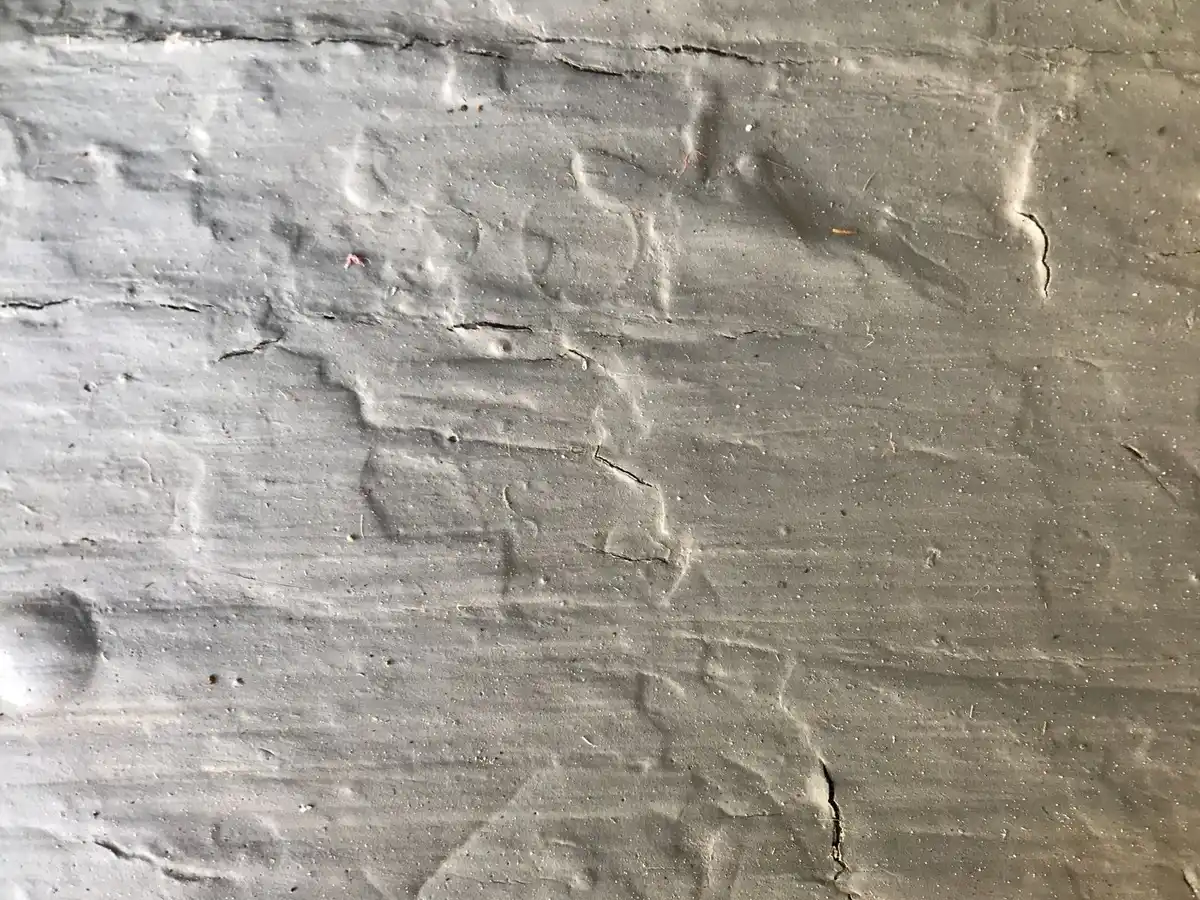
Before: open gap, old foam
- Gap wider than 1/4 inch
Wide enough for a mouse to squeeze through.
- Chewed foam
Foam alone is easy for rodents to chew, so old patches often fail.
- Rub marks and droppings nearby
Signs the gap is a regular route.
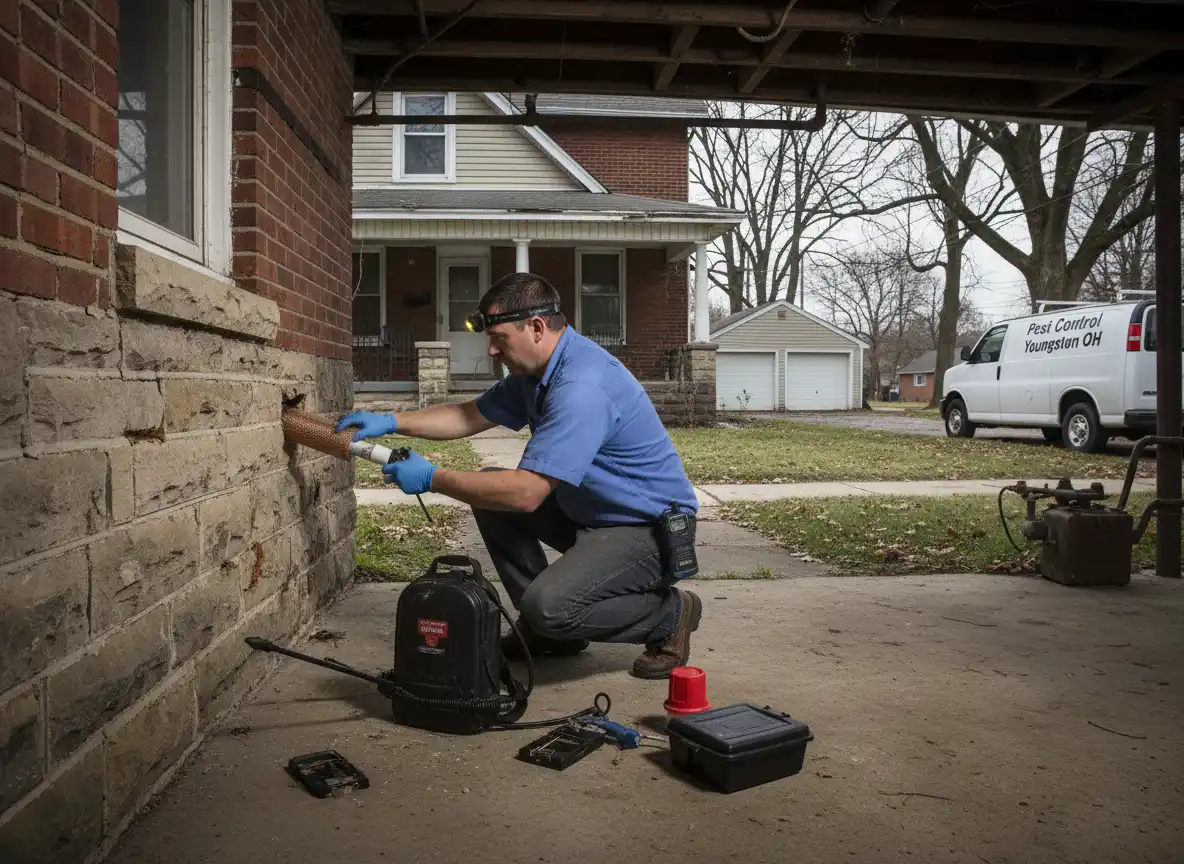
After: packed, sealed, checked
- Copper mesh packed tight
Fills the void with a material rodents do not chew through easily.
- Sealant or mortar over the top
Holds the mesh in place and closes the gap for insects too.
- Rechecked later
We look for fresh activity on the follow-up visit.
7 openings we seal, and the material that fits each one
The right material depends on the gap. A vent has to keep breathing, a door has to keep opening, and a foundation crack needs something as hard as the wall around it.
Exclusion materials compared: what holds up and what does not
Extension wildlife damage experts list rubber, vinyl, plastic, wood and foam caulk as materials rodents get through quickly. That is why we use them only as a top coat, never as the barrier.
| Material | Best for | Stops | Good to know |
|---|---|---|---|
| Copper mesh | Pipe, wire and sill gaps | Mice, rats, many insects once sealed | Packed tight, then covered with sealant. Does not rust. |
| Steel wool | Small, short-term fills | Mice | Works, but rusts and stains, so it is a temporary choice. |
| Hardware cloth | Vents, crawlspace openings, chimneys | Mice at 1/4 in mesh, rats at 1/2 in mesh | Woven or welded galvanized wire lets air flow. |
| Galvanized sheet metal | Eaves, gnawed edges, pipe collars | Rats, mice, wildlife | 24 gauge or heavier is recommended for barriers. |
| Portland cement mortar | Foundation cracks, loose stone or block joints | Rodents and insects | As hard as the wall around it. Best for masonry. |
| Door sweep and threshold | Exterior and garage entry doors | Mice, crickets, spiders | Gap under the door should be 1/4 in or less. Metal edge resists chewing. |
| Sealant or caulk | Window trim, siding cracks, top coat | Ants, spiders, cockroaches | Good for insects. Not a rodent barrier on its own. |
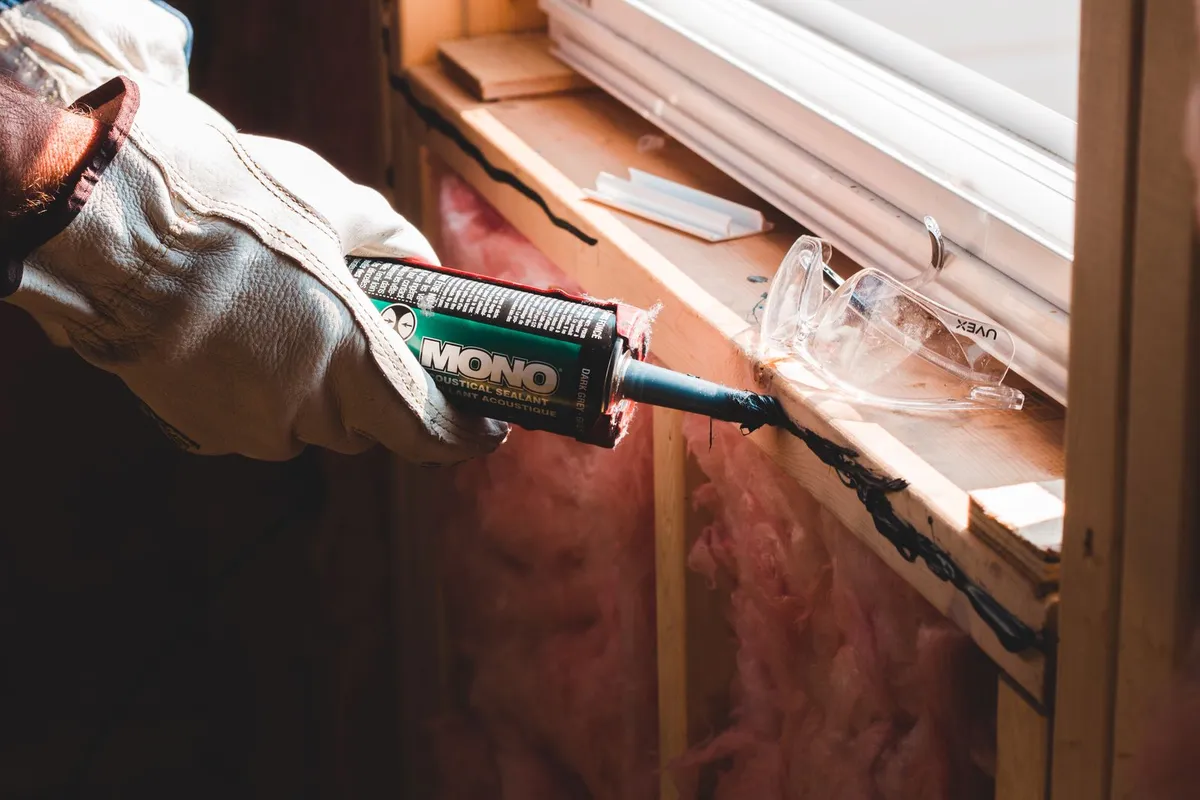
How we seal a Youngstown home against pests
Walk the outside
We check the foundation, sill line, siding, utility entries, vents, doors, garage, eaves and roofline. We look for rub marks, droppings and light showing through.
Check the inside
Basement, crawlspace, attic, under sinks and behind appliances. The CDC lists these as common rodent entry points inside the home.
Map the gaps
You get a list of what we found, what we recommend sealing and which material fits each spot, so nothing is a surprise.
Deal with active pests first
If mice or insects are already inside, we treat or trap first. Sealing pests in is not the goal. Our rodent control service covers that part.
Seal and recheck
We close each opening with the right material, then come back to look for fresh activity and fix any spot that needs more work.
Some openings, like a sagging roof edge or a crumbling wall, need a roofer or mason. We will tell you when a repair is beyond pest exclusion. Want an inspection? Call (888) 752-0103.
Home sealing vs rodent control: how they differ
They solve 2 halves of the same problem. Most homes with mice need both, in this order: remove what is inside, then close the doors behind them.
Home sealing and exclusion
- Goal
- Keep new pests from getting in.
- Main work
- Repairs with mesh, hardware cloth, sheet metal, mortar, sweeps and sealant.
- Covers
- Mice and rats, plus many insects such as spiders, crickets and ants.
- Lasts
- As long as the repair holds. Settling, freeze and thaw, and new utility work can open new gaps.
Rodent control
- Goal
- Remove the mice or rats already inside.
- Main work
- Inspection, traps or tamper-resistant bait stations placed by a licensed technician, and monitoring.
- Covers
- House mice and Norway rats.
- Lasts
- Until new rodents find a way in, which is why sealing follows.
Why older Youngstown homes need extra sealing
Youngstown's housing is old. Census American Community Survey estimates for 2019 to 2023 show about 39% of the city's homes were built in 1939 or earlier and about 72% before 1960, with a median build year of 1950. The city's own planning documents describe the same pattern, with the oldest homes clustered in the oldest neighborhoods.
Age adds up to gaps. If your home sits on a stone or block foundation, mortar joints can crumble and open spaces a mouse can use. Homes updated many times over the decades may also have an old coal chute, unused pipe holes or patched wiring entries.
For these homes, we rely on mortar for masonry, mesh for irregular holes around old pipes, and hardware cloth for basement windows and vents that need to stay open. Homeowners in the North Side, the South Side and across our service areas often pair this with a fall rodent check.
Pest exclusion questions we hear in Youngstown
What is the difference between pest control and pest exclusion?
Pest control removes the pests already inside, with traps, baits or labeled products. Pest exclusion is repair work that blocks the gaps they use to get in. Most homes get the best results from both.
What materials do you use to seal mouse holes?
Copper mesh packed tight and covered with sealant for pipe and wire gaps, mortar for foundation cracks, hardware cloth for vents, and sheet metal for chewed edges. Foam or caulk alone is not a rodent barrier because mice can chew through it.
How small a gap can a mouse get through?
The CDC says a mouse can fit through a hole about 1/4 inch wide, the width of a pencil. Rats need roughly 1/2 inch. That is why exclusion focuses on small gaps that are easy to overlook.
Will sealing my house trap mice inside?
It can if mice are active when the work is done. That is why we handle active rodents first with trapping or baiting, then seal. We recheck after sealing to make sure nothing is still getting in or stuck inside.
Does exclusion help with insects too?
Yes. Sealing cracks around windows, siding and utility lines and adding door sweeps cuts down on spiders, ants, crickets and other insects that walk in. It works best together with regular treatment where needed.
How long does home sealing last?
A good repair lasts for years, but houses move. Settling, freeze and thaw cycles, and new cable or utility work can open new gaps. A yearly check, often in late summer before mice move indoors, keeps the seal tight.
Ready to close the gaps for good?
Book a pest exclusion inspection anywhere in Youngstown, Boardman, Austintown and nearby communities. Also see spider control and ant control.
Pest Control Youngstown OH is a locally owned pest control company. Treatments are applied by Ohio-licensed applicators following the product label.
Sources
- CDC, How to Seal Up to Prevent Rodents
- Extension Wildlife Damage Management, Rodent Exclusion Methods
- U.S. Census Bureau, ACS 2019 to 2023 5-year, Year Structure Built, Youngstown city
- City of Youngstown, Youngstown 2010 Plan, Chapter 4: Citywide Conditions
- OSU Extension, Carpenter Bees (sealing holes with steel wool or copper gauze)
- Ohio Revised Code 921.06, Commercial applicator license