
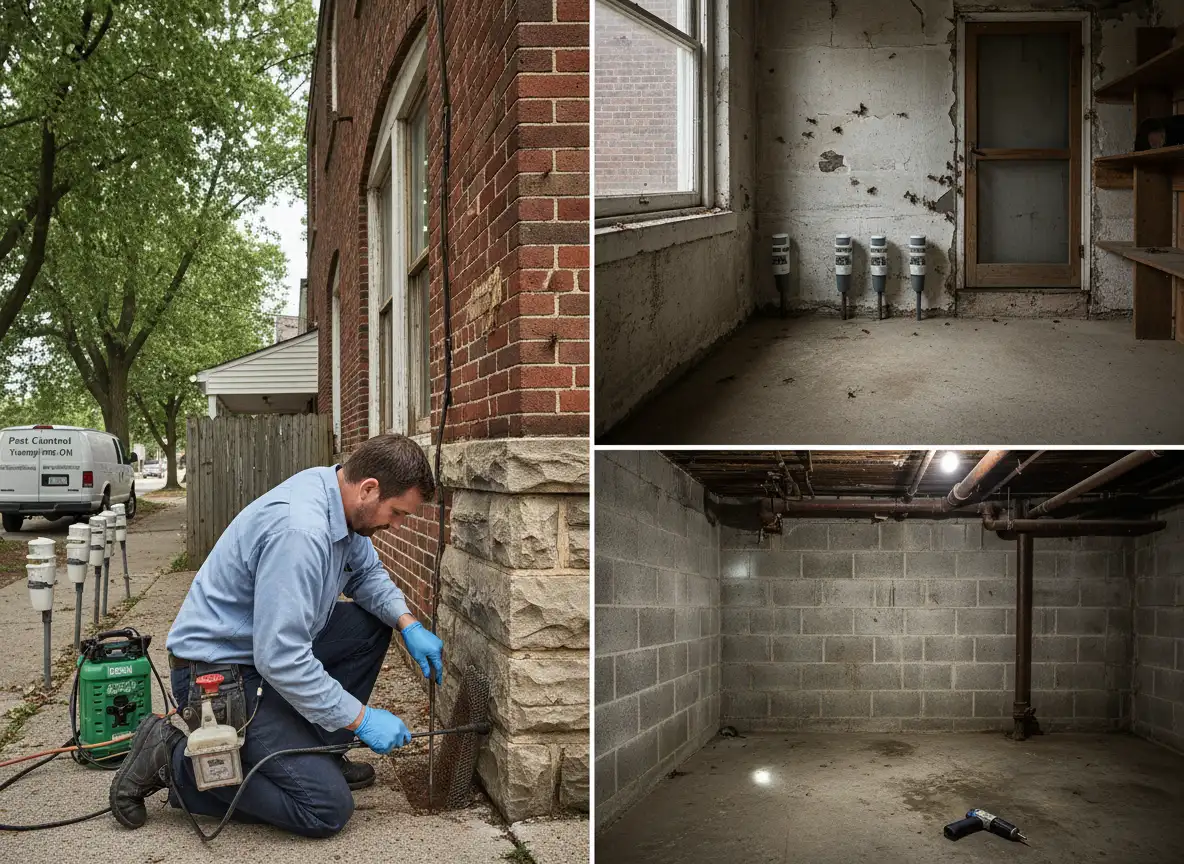
Mosquito and Tick Control in Youngstown, OH
Take back the backyard from May through fall. We find where mosquitoes breed and where ticks wait, cut those spots down, and treat the places that matter.
- Open 24 hours, 7 days a week
- Ohio-licensed applicators
- Source reduction first
Mosquito and tick control in Youngstown, OH works best as a season-long plan. We remove or treat standing water where mosquitoes breed, apply targeted treatments to shady resting spots and the brushy, leafy edges where ticks live, and repeat visits through the season as the product label allows. The Ohio Department of Health says mosquito season in Ohio typically runs May through October.
Ticks follow a longer calendar. Ohio State University Extension notes that one or more blacklegged tick life stages can be active in any month of the year, depending on temperature. That is why we look at both pests together but treat them in different ways.
All treatments are applied by Ohio-licensed pesticide applicators following the product label. Mosquito and vector work falls under Ohio's commercial category 10d, Mosquito, House Fly and Other Vector Control.
The blacklegged tick life cycle, and why it matters for your yard
The blacklegged tick, also called the deer tick, takes about 2 years to grow from egg to adult. Each stage feeds on a different host and peaks in a different season.
Standing water checklist for Youngstown yards
The CDC says a Culex mosquito egg takes 7 to 10 days to become an adult. Dumping water once a week breaks that cycle before new mosquitoes can fly.
- Old tires, even ones stacked by the garage
- Buckets, watering cans and trash can lids
- Flowerpot saucers and planters
- Birdbaths: empty and scrub the bowl weekly
- Kids' toys, sandbox covers and wading pools
- Rain barrels: cover with a lid or fine wire mesh
- Tree holes that hold water after a storm
- Unused pools that have gone green
- Backyard ditches and low spots that stay wet
- Yard catch basins and drain inlets
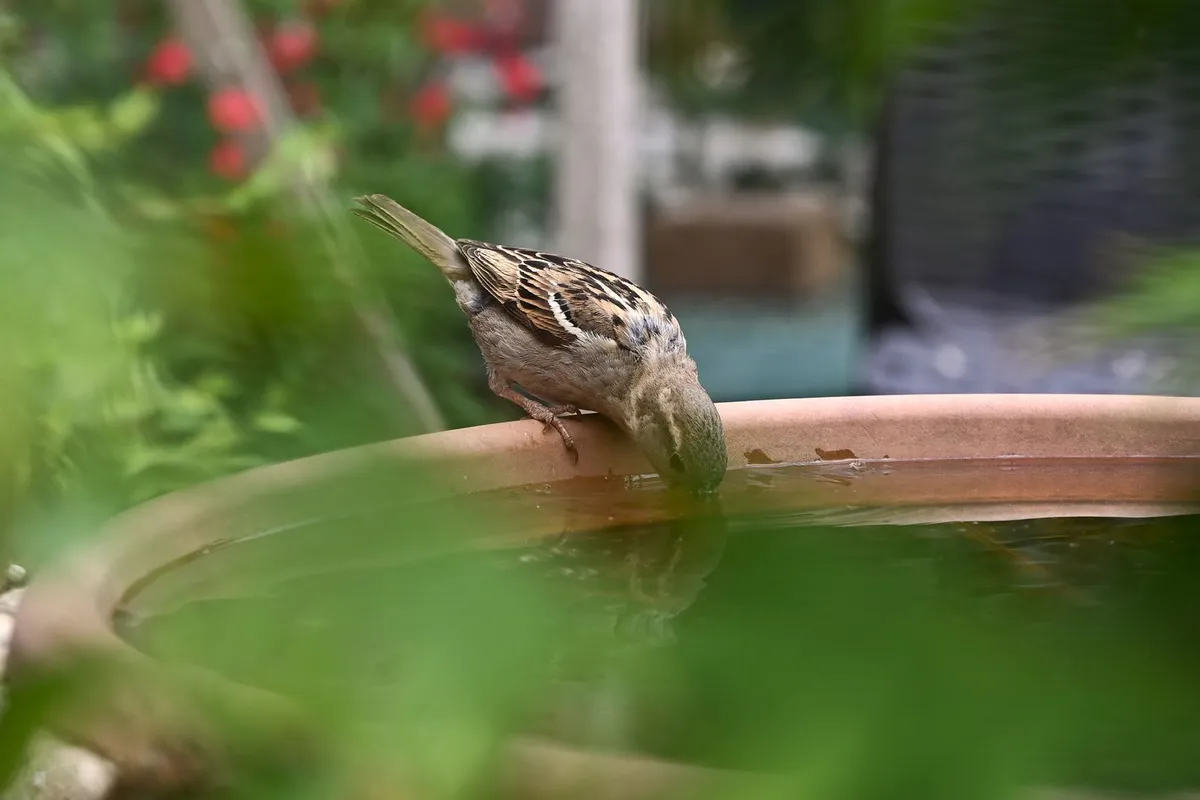
The northern house mosquito, the main West Nile carrier in Ohio, breeds in catch basins, ditches and containers of stagnant water, according to the Ohio Department of Health.

What our yard service includes
How mosquito and tick control in Youngstown, OH runs through the year
Most yards need several visits. The exact spacing depends on the product label and the weather.
Yard walk
We map breeding water, shady resting spots, wooded edges and leaf litter, and ask how you use the yard.
Source cleanup
We dump, drain or treat water and show you what to remove, so treatment has less to fight.
First treatment
Targeted barrier and edge treatment early in the season, timed for when mosquitoes and ticks start to rise.
Repeat visits
Follow-up visits through summer at the interval the label allows, with extra checks after heavy rain.
Fall wrap-up
Adult blacklegged ticks become active again in fall, so we review tick edges before winter.
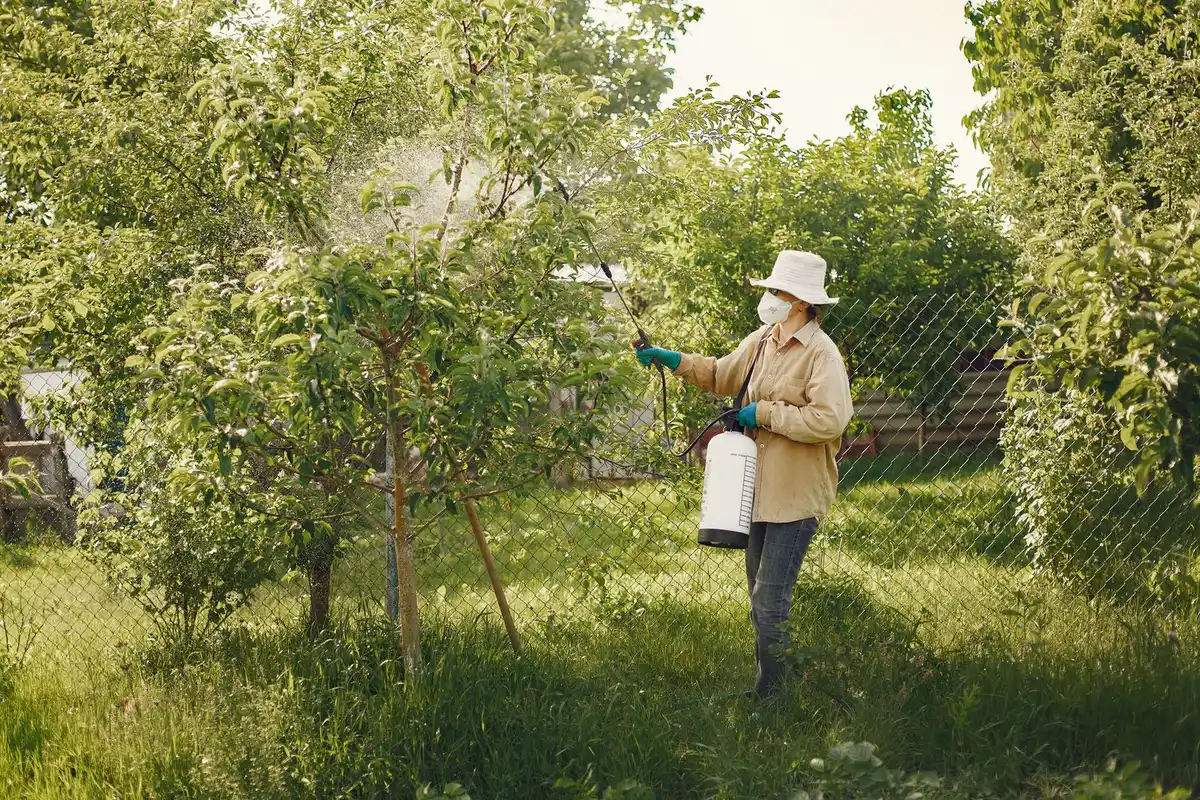
Visit spacing is set by the product label, not by a sales calendar. After a stretch of heavy rain, new breeding water can appear fast, so we recheck low spots and containers before the next treatment.
Simple habits that keep bites down
Do
- Walk the yard once a week and dump anything holding water.
- Keep grass mowed and rake leaves away from the lawn edge.
- Use insect repellent outdoors as the ODH advises, following its label.
- Check yourself, your kids and pets for ticks after time near woods or tall grass.
- Keep kids and pets off treated areas until the technician says it is OK.
Don't
- Leave tarps, toys or buckets out where rain can pool.
- Let brush, tall weeds and leaf piles build up near play areas.
- Pour garden products into ponds or creeks. Water treatments have strict labels.
- Spray open flowers where bees are feeding. Our technicians follow label directions on blooms.
- Assume winter means zero tick risk. Some stage can be active on warm days.
West Nile virus and Lyme disease in Ohio: the facts
We control pests. We do not give medical advice. For symptoms or a tick bite, talk to your doctor and see the Ohio Department of Health or CDC.
Typical mosquito season in Ohio. Most human West Nile cases happen July through October.
Source: Ohio Department of HealthAbout 80 percent of people infected with West Nile virus show no symptoms. About 1 in 150 develop severe illness.
Source: Ohio Department of HealthBlacklegged ticks were considered established in 61 Ohio counties as of 2023, after first being found in Coshocton County in 2010.
Source: OSU Extension ENT-0096In most cases a tick must be attached for more than 24 hours before it can pass on the Lyme disease bacterium.
Source: CDCLocally, Mahoning County Public Health received an Ohio EPA mosquito control grant in 2024 for mosquito trapping and outreach to help residents get rid of breeding sites. Their public work and your yard work go hand in hand.
Mosquito treatment vs tick treatment
Mosquitoes
- Where they live
- Larvae in standing water; adults rest in shady, humid plants and under structures.
- Main target
- Breeding water first, then resting spots.
- Season
- About May through October in Ohio.
- What you do
- Dump water weekly and keep containers and drains clear.
Ticks
- Where they live
- Leaf litter, brush and forest edges, climbing low plants up to about 3 feet.
- Main target
- The border between lawn and woods, plus rodent cover.
- Season
- Peaks in spring and fall, with some stage possible any month.
- What you do
- Mow, clear leaves and brush, and check for ticks after outdoor time.
Mosquito and tick questions from Mahoning Valley homeowners
When does mosquito season start in Youngstown?
The Ohio Department of Health says mosquito season in Ohio typically runs May through October. A warm spring can bring them out earlier. Starting service in spring helps keep numbers down before summer.
Does yard treatment get rid of ticks?
Treatment cuts tick numbers in the areas we target, mainly lawn edges, brush and leaf litter. It works best with habitat changes like mowing and clearing leaves. No treatment makes a yard tick-free, so keep checking for ticks after outdoor time.
Is the treatment safe for my kids and dog?
Our Ohio-licensed applicators follow the product label, which sets where and how a product can be used. Keep kids and pets off treated areas until the technician says it is OK, usually once it has dried. Tell us about pets, gardens and play areas when you book.
Will spraying hurt bees and my vegetable garden?
We avoid spraying open flowers where bees feed and follow any label directions meant to protect pollinators. Tell us where your garden is so we can skip it or use a product labeled for that use. Removing standing water also means less spraying overall.
Why do I still see ticks in fall?
OSU Extension notes that adult blacklegged ticks are active in spring and fall, and some life stage can be active in any month depending on temperature. Fall yard work, hunting and leaf piles can bring you into contact with them.
Can you treat if the neighbor's yard is the problem?
We can only treat property we have permission to treat. We focus on your side of the fence line and the breeding spots on your lot, which still makes a real difference. If you see standing water on public land, you can report it to your local health district.
Plan your yard season now
Call to set up a yard walk anywhere in our Youngstown service areas. Need help inside too? See residential pest control.
Pest Control Youngstown OH is a locally owned pest control company. Treatments are applied by Ohio-licensed applicators following the product label.
Sources
- Ohio Department of Health, West Nile Virus
- OSU Extension, Blacklegged (Deer) Tick (ENT-0096)
- OSU Extension, Ticks and Tick-Borne Diseases (HYG-2073)
- CDC, How Lyme Disease Spreads
- CDC, Life Cycle of Culex Mosquitoes
- CDC, Mosquito Control at Home
- Ohio House of Representatives, Mahoning County Public Health mosquito control grant (2024)
- OSU Extension, Ohio Commercial Pesticide Applicator Requirements (ANR-0140)