
Residential Pest Control in Youngstown, OH
Mice in the fall, ants in the kitchen, spiders in the basement. We inspect your home, find out what is getting in and why, and treat only where it helps.
Open 24 hours, 7 days a week
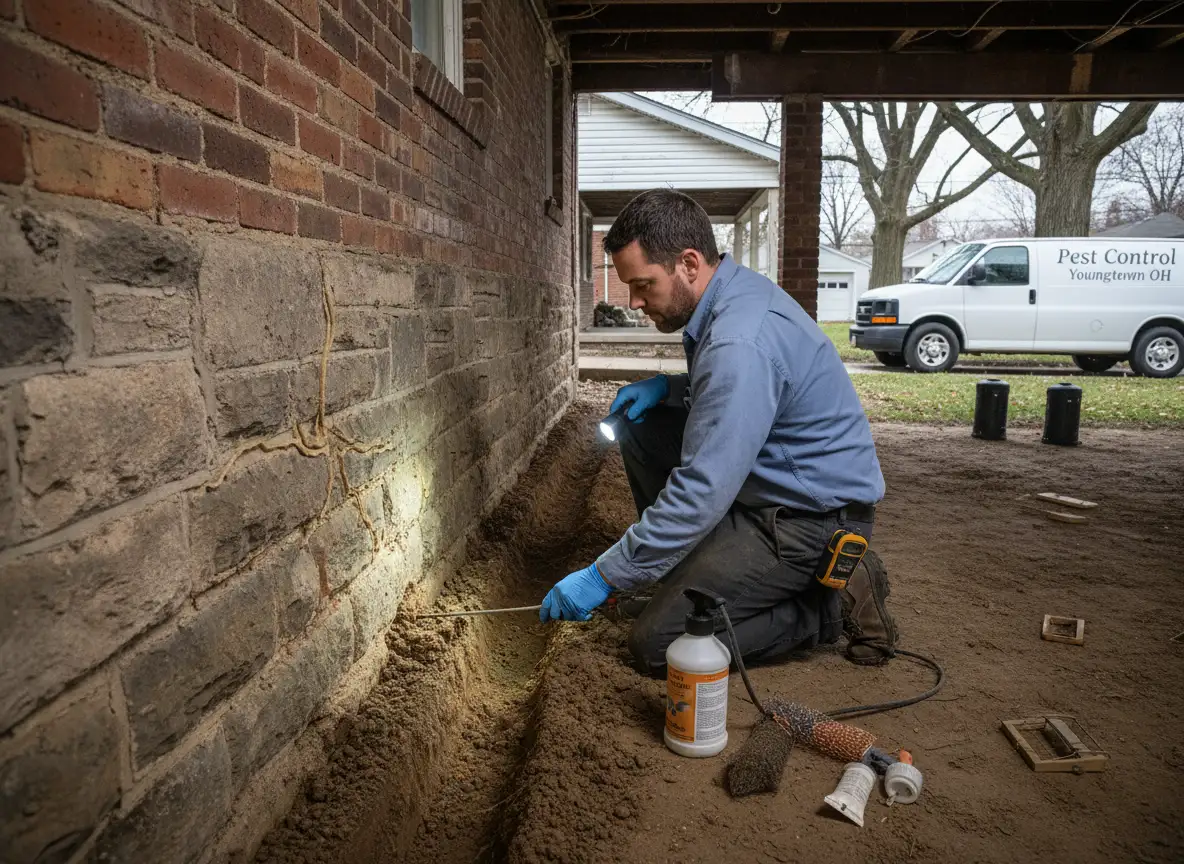
Residential pest control in Youngstown, OH means a licensed technician inspects your house, identifies the pest, seals or fixes what lets it in, and applies a targeted treatment only where needed. Most homes here deal with mice in fall and winter, ants and spiders in the warm months, and stink bugs looking for shelter in autumn. You can book a one-time visit for a single problem or a recurring plan that follows the seasons.
Our treatments are applied by Ohio-licensed pesticide applicators following the product label. In Ohio, anyone who applies pesticides to another person's property for hire needs a commercial applicator license from the Ohio Department of Agriculture. General household pest work falls under category 10a, General Pest Control.
We serve Youngstown neighborhoods and nearby communities like Boardman, Austintown and Poland. See every place we cover on our service areas page.
Signs your house needs more than a can of spray
One bug is not always a reason to treat. These signs point to an active problem worth an inspection.
- Droppings in drawers or along walls
Mouse droppings are dark, pointed at both ends and about 1/8 to 1/2 inch long. Fresh ones mean mice are using that path now.
- Scratching in walls or ceilings at night
Running or gnawing sounds after dark usually come from rodents moving between floors.
- Ant trails that come back
If you wipe a trail away and it returns the next day, a colony is nearby and is feeding in your home.
- Roaches seen in daylight
Cockroaches hide during the day. Seeing them in the open often means hiding spots are full.
- Heavy webbing in the basement
Lots of webs means spiders are finding plenty of other insects to eat down there.
- Bugs gathering on sunny walls in fall
Stink bugs and lady beetles cluster on warm siding before they slip inside for winter.
What shows up in Youngstown homes, month by month
Our part of Ohio has cold winters and warm, humid summers, so pests come in waves. This calendar uses timing from Ohio State University, the Ohio Department of Health and University of Kentucky Extension.
Why this matters for a plan: a fall visit that seals gaps before mice move in does more than a spring visit for the same house. Ticks and mosquitoes are yard pests, so we cover them under mosquito and tick control instead of the indoor plan.
Common house pests we handle
Each pest gets a different approach. Here is how we think about the five we see most in local homes.
House mice
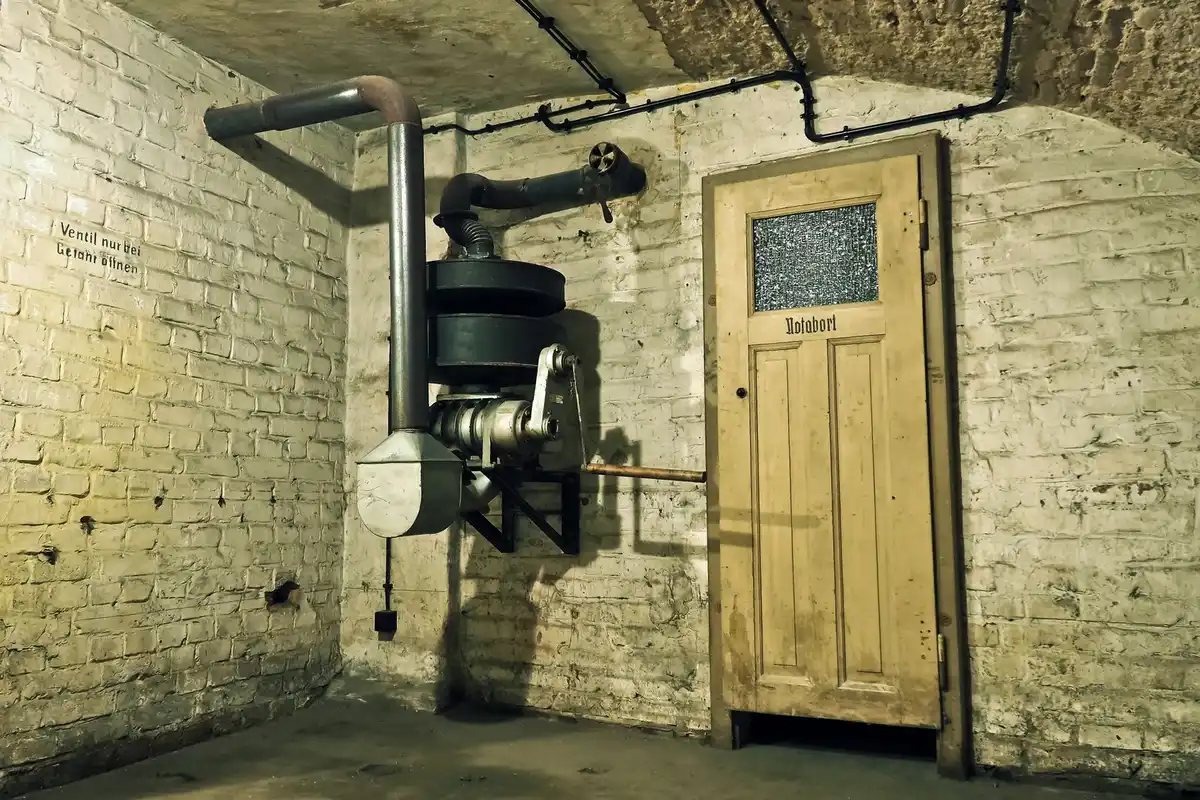
Mice move indoors in fall looking for warmth, food and shelter, and University of Kentucky Extension notes they can squeeze through openings narrower than a dime. Traps alone rarely finish the job. We find the entry points, seal them with rodent-proof materials, and place traps or tamper-resistant bait stations where kids and pets cannot reach.
Rodent control
Ants
Small kitchen ants follow scent trails to crumbs and sweets, while carpenter ants point to damp or softened wood. Spraying a trail scatters the colony. Slow-acting baits let workers carry the product back to the nest, and fixing the moisture source stops carpenter ants from returning.
Ant control
Cockroaches
German cockroaches live close to food and water, so we focus on cabinet hinges, appliance gaps and plumbing lines. Crack and crevice treatment means placing gel bait or dust right into the hiding spots instead of spraying open rooms. Basement roaches near floor drains are usually a different species and need a different plan.
Cockroach control
Spiders
Most spiders in Ohio homes are harmless and actually eat other insects. A lot of webbing tells us there is a food supply, so we reduce the insects they hunt, remove webs, and treat corners, window wells and sill plates where they build.
Spider control
Stink bugs and other fall invaders
Brown marmorated stink bugs spend the winter inside homes and buildings to stay out of the cold. Ohio State University Extension does not recommend insecticides inside the home for them, because more keep coming in. The better fix is sealing gaps around windows, siding and vents before September, then vacuuming any that get in.
Home sealing and exclusionHow residential pest control in Youngstown, OH works with us
We use Integrated Pest Management, or IPM. The EPA describes it as a mix of common-sense practices that controls pests while keeping risk to people and property low.
Look
We walk the outside and inside: foundation, sill plate, utility lines, garage door, attic vents, kitchen, bathrooms and basement. We look for droppings, trails, webs and moisture.
Name it
Correct identification picks the right product. A pavement ant, a carpenter ant and a winged termite need three very different responses.
Treat with care
We start with sealing, traps and baits, then use a targeted perimeter or crack and crevice treatment where it is needed, always following the label.
Keep it out
We show you what we sealed, what we treated, and the 2 or 3 changes at home that will stop the problem from coming back. On a plan, we check again next season.
Getting ready for a visit with kids and pets at home
Most home visits need very little prep. A few simple steps make treatment safer and work better.
- Tell us about babies, pregnant family members, pets, fish tanks and bird cages when you book.
- Clear under the kitchen sink and the bottom cabinets if roaches or ants are the issue.
- Pick up pet bowls, toys and food from the floor in rooms we will treat.
- Move stored boxes about 1 foot away from basement walls so we can reach the edges.
- Keep kids and pets away from treated areas until the technician says it is OK.
- Do not wipe away gel bait or move bait stations after we leave.
- Hold off on mopping treated baseboards for as long as the technician advises.
- Ask for the name of any product used. You can read its label anytime.
Federal law makes it a violation to use a pesticide in a way that does not match its label. That is why our technicians follow label directions on where, how much and how close to people and pets a product can go.
Skip the store-bought foggers before your visit. They push roaches deeper into walls and can make the hiding spots harder for us to reach.
What changes the cost of home pest control
We do not quote prices online because every house is different. These are the things that move the number up or down.
| Factor | Why it matters | Helpful to mention when you call |
|---|---|---|
| Type of pest | Ants and spiders often need less time than mice or cockroaches, which may need follow-up visits. | What you saw, and a photo if you have one |
| How long it has been going on | A problem noticed last week is usually smaller than one that has grown all season. | When you first noticed it |
| Size and layout of the home | More rooms, floors and foundation length mean more to inspect and treat. | Square footage, basement or crawlspace, attached garage |
| Sealing work needed | Closing gaps takes materials and time, but it cuts repeat problems. | Any known gaps, old vents or utility holes |
| Number of visits | Some pests need 2 or more visits to break the life cycle. | Whether you have treated it yourself already |
| One-time or recurring plan | A plan spreads the work across the year and includes seasonal checks. | Which option you are leaning toward |
One-time treatment or a recurring home plan?
Both use the same inspection and the same careful methods. The difference is timing.
One-time treatment
- Best for
- A single pest with a clear cause, like ants after a spring rain or a few mice from one gap.
- What happens
- Inspection, treatment and sealing for that problem, plus a follow-up if the pest needs one.
- Good to know
- If the cause is not fixed, the pest can come back next season.
Recurring plan
- Best for
- Homes that see mice every fall, bugs every spring, or a mix of pests through the year.
- What happens
- Scheduled visits timed to the seasons, with exterior treatment and checks of traps and bait stations.
- Good to know
- You can call between visits if something new shows up.
Questions Youngstown homeowners ask about pest control
What pests does residential pest control cover?
A standard home visit covers common indoor pests like mice, ants, cockroaches, spiders, and fall invaders such as stink bugs. Termites, bed bugs, stinging insect nests, and mosquitoes and ticks in the yard need their own service because the methods are different. We will tell you which service fits after we see the problem.
Do I need to leave the house during treatment?
Usually not. Most home treatments are baits, traps, sealing and targeted crack and crevice work. The technician will tell you if any room needs to stay empty for a while and when kids and pets can go back in.
Is one visit enough for mice?
Often it takes more than 1 visit. The first visit finds and seals entry points and sets traps or bait stations, and a follow-up checks activity and removes what was caught. Sealing gaps is what keeps new mice out.
Why not just spray for stink bugs?
Ohio State University Extension does not recommend insecticides inside the home for brown marmorated stink bugs because more keep coming in. Sealing gaps before fall and vacuuming the ones that get inside works better. We can treat the outside and seal entry points as part of a plan.
Who applies the products in my home?
Treatments are applied by Ohio-licensed pesticide applicators following the product label. Ohio requires a commercial applicator license from the Ohio Department of Agriculture to apply pesticides to someone else's property for hire.
When is the best time to start a home plan?
Late summer or early fall is a smart start for many Youngstown homes because it lets us seal gaps before mice and stink bugs move inside. Spring is also good if ants or spiders are your main issue. You can start any month.
Get your home ready before the next season turns
Tell us what you are seeing and where. We will set up an inspection at your Youngstown area home. Running a business too? See commercial pest control.
Pest Control Youngstown OH is a locally owned pest control company. Treatments are applied by Ohio-licensed applicators following the product label.
Sources
- OSU Extension, Ohio Commercial Pesticide Applicator Requirements (ANR-0140)
- Ohio Revised Code 921.06, pesticide applicator licenses
- U.S. EPA, Introduction to Pesticide Labels
- U.S. EPA, Introduction to Integrated Pest Management
- OSU Extension C.O.R.N. Newsletter, Brown Marmorated Stink Bugs Move into Homes and Buildings
- University of Kentucky Extension, Mouse Control (EF617)
- Ohio Department of Health, West Nile Virus
- OSU Extension, Blacklegged (Deer) Tick (ENT-0096)