
Bed bug preparation in an Ohio rental means getting the unit ready so the treatment can reach every hiding spot. In practice that means bagging and hot-drying bedding and clothes, clearing clutter off floors and away from beds and walls, vacuuming, and not moving belongings to other rooms or units. Your pest control technician gives you the exact list, because it changes with the treatment method. Questions about preparing your unit? Call (888) 752-0103.
Why preparation decides how well treatment works
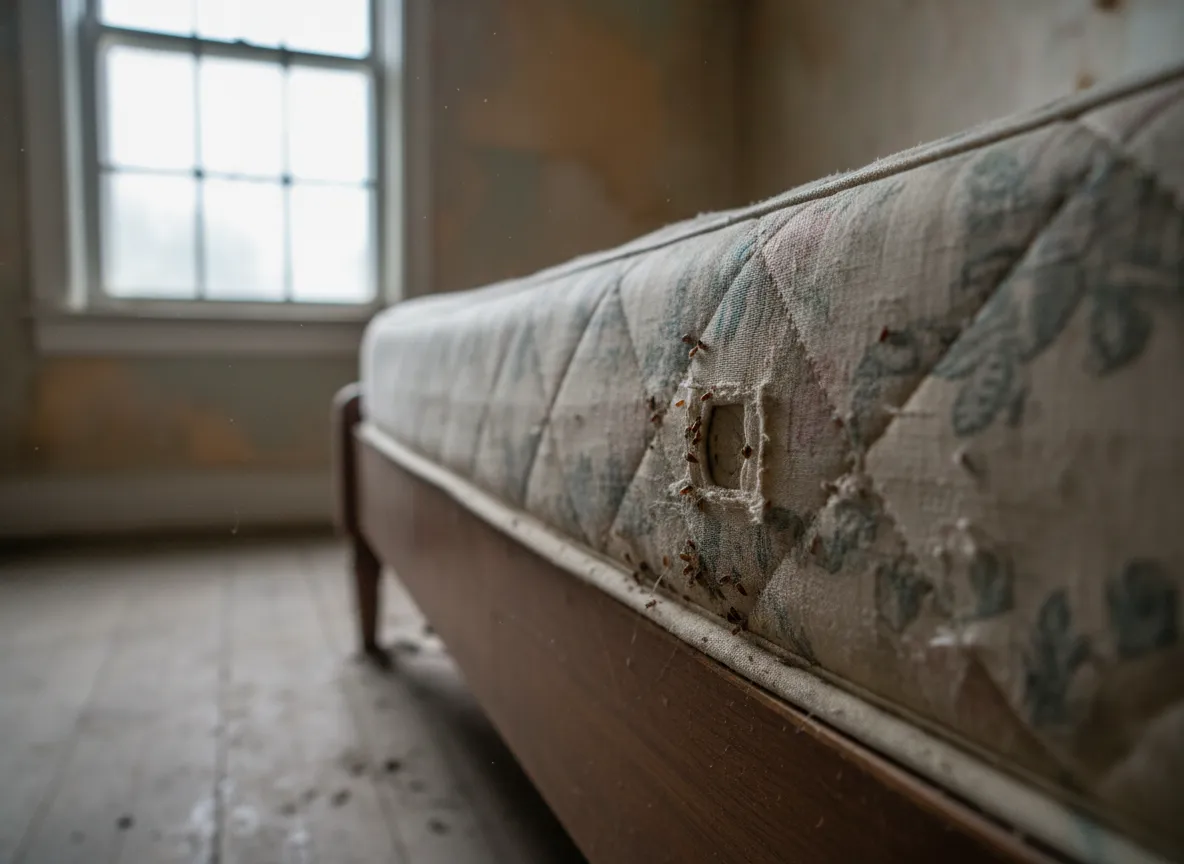
Bed bugs are small and flat. The Centers for Disease Control and Prevention (CDC) says adults range from 1 mm to 7 mm, about the size of Lincoln's head on a penny, and hide in mattress seams, box springs, bed frames, headboards, dressers and cracks, usually within 8 feet of where people sleep. Piles of clothes, boxes and bags under the bed give them thousands of extra hiding places.
Ohio State University Extension recommends an Integrated Pest Management (IPM) approach that combines prevention, monitoring, sanitation and treatment, and notes that infestations are usually best handled by a licensed pest management professional and often need more than one treatment. Good preparation is the sanitation part of that plan. It opens up the room so the technician can inspect and treat seams, cracks and furniture joints directly.
Preparation also keeps bed bugs from spreading. Moving a bag of clothes from an infested bedroom to the living room, or to a friend's apartment, can start a new problem somewhere else.
First, make sure it is bed bugs
Treatment preparation is a lot of work, so confirm the pest first. CDC describes bed bugs as reddish-brown and wingless. Bites can look like mosquito or flea bites, may appear in a line, and can take 1 to 14 days to show up, so bites alone do not prove bed bugs. Look for live bugs, shed skins, tiny white eggs, or small dark spots along mattress seams and bed frame joints.
If you are not sure, catch a bug on clear tape or take a sharp photo. OSU Extension publishes a fact sheet comparing bed bugs with insects that are often mistaken for them. A professional inspection should confirm the pest before anyone empties closets.
The preparation timeline, step by step
Every treatment plan is a little different. Heat treatment, for example, can have different rules about what stays in the room than a product-based treatment. Use this as a general picture and follow your technician's written prep sheet.
Step 1: Bag, wash and dry fabrics
The U.S. Environmental Protection Agency (EPA) says a household dryer on high heat for 30 minutes kills bed bugs and eggs. OSU Extension gives the same 30 minutes at 130°F or higher.
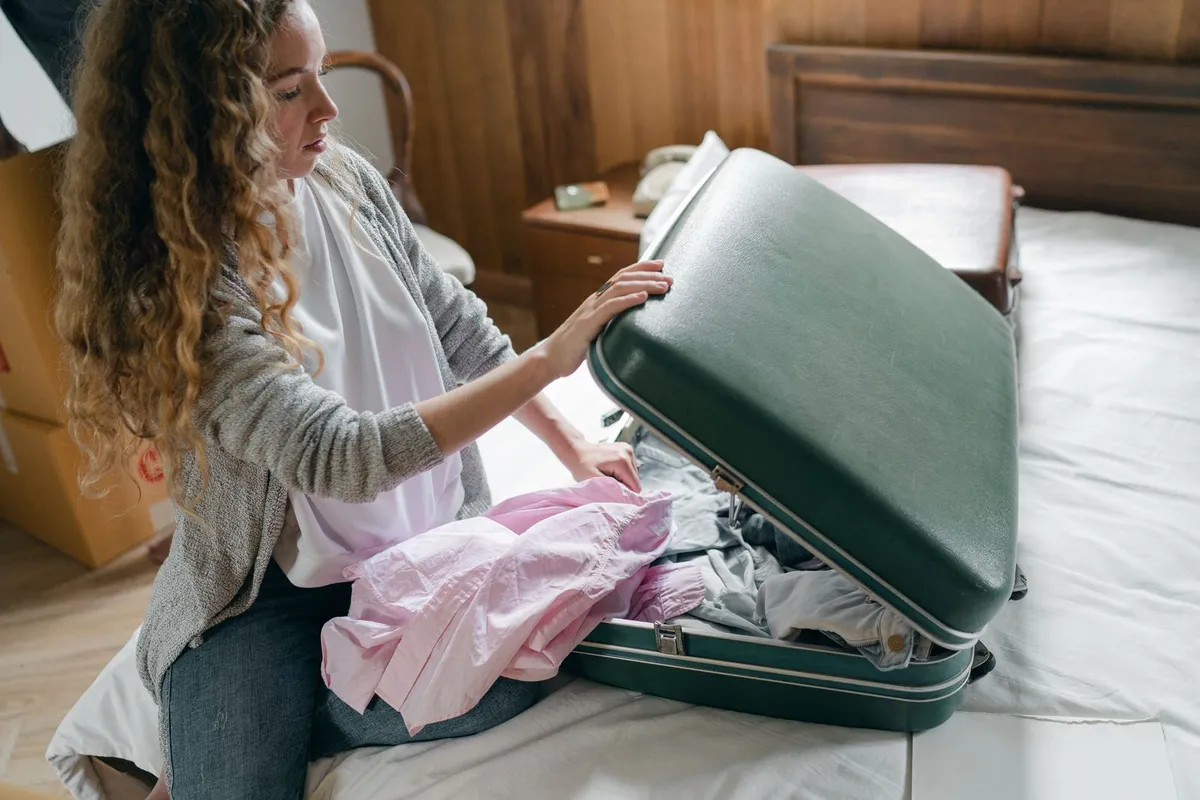
- Strip beds and gather clothes, towels, curtains and soft toys from the affected rooms.
- Bag them in the room, tie the bag shut, and carry it straight to the washer or dryer. EPA recommends sealed plastic bags for anything moved from one area to another.
- Wash if needed, then dry on high heat for at least 30 minutes.
- Put clean items into new sealed bags and keep them sealed until your technician says it is fine to unpack.
In a building with a shared laundry room, carry items in sealed bags, move them straight from bag to machine, and put the empty bag in an outside trash bin.
Step 2: Declutter, without spreading them
EPA advises getting rid of cardboard boxes, stacks of magazines and items you do not use, but warns not to move items from an infested area to a clean one.
- Empty everything stored under beds.
- Clear floors, especially along walls and baseboards.
- Put trash directly into plastic bags and take full bags to an outside bin right away.
- Ask before throwing out furniture. Many items can be treated, and a mattress dragged through a hallway can spread bed bugs to other units.
Step 3: Vacuum and open up the room
EPA says to vacuum thoroughly, then seal the vacuum bag in a plastic bag and put it in an outside trash bin. Vacuum mattress seams, box springs, bed frames, upholstered furniture, carpet edges and baseboards. Then pull beds and dressers a few inches away from the walls so the technician can reach behind them.
Step 4: Treatment day
Follow your technician's directions on when to leave and when to return. Keep children and pets out of treated areas as the technician directs. Treatments are applied by an Ohio-licensed applicator following the product label, and the label decides re-entry times.
Step 5: After treatment
Keep sleeping in your own bed. Moving to the couch can draw bed bugs to a new spot. EPA recommends bed bug-proof encasements on the mattress and box spring, with zippers fully closed, and notes they should stay on for about a year. Keep cleaned items bagged until you are told otherwise, and be ready for a follow-up visit. Our bed bug treatment page explains how visits are scheduled.
Do
- Report bed bugs to your landlord in writing, right away
- Follow the prep sheet you are given
- Keep cleaned items sealed in bags
Don't
- Set off foggers or bug bombs. EPA says foggers should not be the only control, since fog does not reach the cracks where bed bugs hide
- Move belongings to another room, unit or home
- Leave infested furniture in a hallway or at the curb without wrapping it
Who is responsible in an Ohio rental?
This section explains what Ohio's landlord and tenant law, Ohio Revised Code Chapter 5321, says in general terms. It is not legal advice. Who pays for bed bug treatment in a specific case can depend on the lease, local codes and the facts, so talk to a lawyer or local legal aid office about your situation.
What the law asks of landlords
Under ORC 5321.04, a landlord must comply with building, housing, health and safety codes that materially affect health and safety, and must make repairs and do what is reasonably necessary to keep the premises fit and habitable. The landlord must also keep common areas safe and sanitary. Section 5321.04 does not mention bed bugs by name.
The same section says that, except in an emergency or when it is impracticable, a landlord should give reasonable notice before entering, and that 24 hours is presumed to be reasonable notice. That matters for scheduling inspections and treatments in your unit and in neighboring units.
What the law asks of tenants
Under ORC 5321.05, a tenant must keep the part of the premises they occupy safe and sanitary, dispose of garbage in a clean and sanitary way, and comply with the housing, health and safety codes that apply to tenants. Following the preparation steps and reporting a problem early are practical ways to do your part.
If a problem is not fixed
ORC 5321.07 lets a tenant give the landlord written notice of conditions that violate the landlord's duties. If the landlord does not fix them within a reasonable time, or within 30 days, whichever is sooner, a tenant who is current on rent may have remedies, such as depositing rent with the clerk of court or asking a court for an order. This section does not apply to a landlord with 3 or fewer dwelling units who gives the tenant written notice of that fact as the law requires. Because the steps have strict rules, get legal advice before using them.
Youngstown note: the Youngstown City Health District's Environmental Health Division lists bed bugs and housing code violations among the issues it does not handle, so start with your landlord or property manager and, if needed, legal aid.
Landlords and property managers: what helps most
Purdue University Extension's bed bug checklist for landlords recommends responding to reports quickly and without blame, inspecting the reported unit and the units around it, giving tenants preparation guidance, and hiring a licensed company that uses an IPM approach rather than spraying alone. In multi-unit buildings around Downtown Youngstown and the East Side, checking adjacent units is often what stops a building-wide problem.
We work with tenants, landlords and property managers. Call (888) 752-0103 to set up an inspection.
Bed bug prep questions from Ohio renters
Do I have to wash everything I own before bed bug treatment?
Usually not everything. Most prep sheets focus on bedding, clothes and fabrics in and near the affected rooms. Your technician tells you which rooms and items matter, based on the inspection and the treatment method.
How long should I run the dryer to kill bed bugs?
EPA says high heat in a household dryer for 30 minutes kills bed bugs and eggs. OSU Extension gives the same guidance at 130°F or higher. Bag items in the room and keep them sealed after drying.
Should I throw out my mattress?
Not before you talk to your technician. Many mattresses can be treated and then covered with an encasement. Carrying an infested mattress through a building can spread bed bugs to other units.
Can I use a bug bomb before the technician comes?
Please do not. EPA says foggers should not be the only bed bug control, because the fog does not reach the cracks and seams where bed bugs hide. Foggers can also scatter bed bugs into other rooms.
Who pays for bed bug treatment in an Ohio rental?
Ohio's landlord and tenant law, ORC Chapter 5321, does not name bed bugs. It sets general duties for landlords to keep a unit fit and habitable and for tenants to keep their unit safe and sanitary. Who pays depends on the lease and facts, so ask a lawyer or legal aid about your case.
Why do I need a follow-up visit?
OSU Extension notes that bed bug infestations often need more than one treatment. Eggs hatch in about 6 to 17 days, so a follow-up lets the technician check for and treat newly hatched bed bugs.
Getting your unit ready for bed bug treatment?
We will inspect, confirm what you are dealing with, and give you a clear prep list before any treatment starts.
Pest Control Youngstown OH is a locally owned pest control company. Treatments are applied by Ohio-licensed applicators following the product label.
Sources
- CDC, About Bed Bugs
- OSU Extension, Ohioline: Bed Bugs (HYG-2105)
- OSU Extension, Ohioline: The Bed Bug Threat (ENT-0103)
- OSU Extension, Ohioline: Bed Bug Look Alikes (ENT-0109)
- U.S. EPA, Preparing for Treatment Against Bed Bugs
- U.S. EPA, Should I Use a Fogger?
- Ohio Revised Code 5321.04, Landlord obligations
- Ohio Revised Code 5321.05, Tenant obligations
- Ohio Revised Code 5321.07, Tenant remedies
- Purdue University Extension, Bed Bug Landlords Checklist (PDF)
- Youngstown City Health District, Environmental Health Division